6160 Warren Pkwy, Suite 100, Frisco, TX 75034
 214-764-8033
Recent Blog Posts
How Is Property Divided in a Texas Same-Sex Divorce?
 When a marriage ends, how marital property will be divided in the divorce is often a chief concern. The same holds true for same-sex couples, especially if the couple owned property together for years before they married.
Texas uses the same property laws for same-sex and opposite-sex divorces. However, the date a marriage began can affect which assets are part of the marital estate. If you are facing a same-sex divorce in 2026, a North Texas divorce attorney can help you navigate the division of your assets and property.
What Property Is Divided in a Texas Same-Sex Divorce?
Texas courts divide community property during a divorce. Under Texas Family Code Section 3.002, community property generally includes assets either spouse acquired during the marriage.
Can a Prenuptial Agreement Be Challenged in a Texas Divorce?
 A prenuptial agreement can shape some of the most important financial issues in a divorce. When there is an issue with it, Texas law allows a spouse to challenge a prenup during a divorce. But there are specific grounds for doing so. If you're facing issues with a prenup during a 2026 divorce, a Collin County, TX divorce attorney can review the agreement and explain whether there are grounds to challenge it.
When Is a Prenuptial Agreement Unenforceable in Texas?
Under Texas Family Code Section 4.006, spouses have two main grounds for challenging a prenup. One way is for a spouse to challenge the agreement by proving that it was not signed voluntarily.
A spouse can also challenge an agreement that was unconscionable, or extremely unfair, when it was signed. However, an unconscionability challenge must also meet specific requirements involving financial disclosure.
Can Spousal Maintenance Be Changed After a Texas Divorce?
 A divorce decree sets out each former spouse’s financial duties, but life can look very different a few years after the divorce. A change in income or another major life shift can make the original spousal maintenance (commonly known as alimony) order difficult for either person.
Texas law allows a court to change spousal maintenance after a divorce when a former spouse’s circumstances have changed significantly since the original order was entered. A North Texas divorce attorney can review your current order and explain whether a modification is available.
What Does It Take to Change Spousal Maintenance in Texas?
To change spousal maintenance, you must file a motion with the court that issued the original order.
Under Texas Family Code Section 8.057, the court can modify maintenance after a hearing when there has been a material and substantial change in circumstances since the order was entered. The change can involve either former spouse. In certain cases, a change involving a child of the marriage can also qualify.
What Happens If My Ex Does Not Follow a Child Custody Order in Texas?
 Sharing custody after a breakup or divorce can be hard even when both parents try to cooperate. The situation can quickly become even more stressful for the family when one parent starts ignoring the court-ordered schedule.
If your ex does not follow a child custody order in Texas, you can ask the court to enforce it. A court may order makeup parenting time or take other steps to address the violation. If you are dealing with custody problems in 2026, a Frisco, TX child custody attorney can explain what your order requires and what you can do next.
What Counts as Violating a Texas Child Custody Order?
A custody order sets rules that both parents must follow. In Texas, the part of the order that covers parenting time can be called a possession and access order, and will state when each parent has the child and where exchanges take place.
What Is Separate Property vs. Community Property in a Texas Divorce?
 Dividing property is an essential part of almost every divorce, but many couples are not sure what is theirs individually rather than belonging to the marriage. If you are planning for divorce in 2026, a Collin County divorce attorney can explain how Texas law applies to your situation.
What Is Separate Property in Texas?
Separate property belongs to only one spouse. In most cases, it is not divided during a divorce.
Under Texas Family Code Section 3.001, separate property generally includes:
-
Property you owned before you got married
-
Gifts given only to you during the marriage
-
Money or property you inherited
What Happens to Temporary Orders During a Texas Divorce?
 While a divorce case may already be filed, everyday family needs do not pause. Bills still need to be paid, children still need a stable home, and property still needs clear rules. Texas courts address this gap through temporary orders, which set the rules that apply while the case moves toward a final divorce. Divorces filed in 2026 may take months to reach a final hearing, which means temporary orders are often the first major decisions made in the case.
A Frisco, TX divorce attorney can help you request temporary orders early and ensure they protect your interests throughout the divorce.
Does a Standing Order Apply Automatically in a Texas Divorce?
Some Texas counties and courts automatically issue standing orders when a divorce is filed, while others do not. A standing order is a court order that sets basic rules for both spouses while the divorce is pending. It is different from temporary orders, which a judge issues later to address the specific needs of the family during the divorce.
How Does an Informal Marriage Affect a Divorce in Texas?
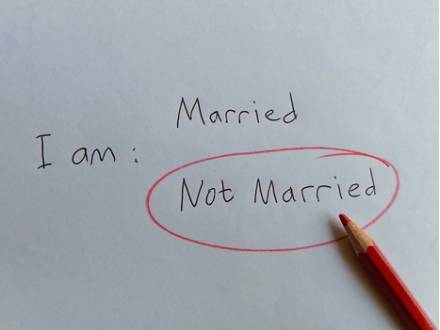 If you and your partner never had a wedding ceremony, Texas law may still consider you married if certain legal requirements are met. This is known as an informal marriage, though most people still use the older term, common law marriage.
Even without a wedding, ending this kind of relationship still requires a formal divorce, and proving whether the marriage existed can change how a Texas court handles your property, support, and custody. If you are ending an informal marriage in 2026, a Frisco, TX divorce attorney can review your relationship and explain your rights during a Texas divorce.
What Qualifies as an Informal Marriage in Texas?
Under Texas Family Code Section 2.401, two people who can legally marry may have an informal marriage if three things are true:
What Is the Difference Between Divorce and Annulment in Texas?
 If your marriage ended quickly or under troubled circumstances, you may be wondering whether annulment is an option. Texas courts rarely grant annulments, and the legal requirements for an annulment are strict. For most people ending a marriage in 2026, divorce is the correct path. A Collin County, TX divorce attorney can review your situation and tell you which option applies to you.
What Does an Annulment Actually Do in Texas?
An annulment is a court order that treats a marriage as though it never legally existed, while a divorce ends a valid marriage and leaves a legal record. Both an annulment and a divorce can involve disputes over property and children.
An annulment does not erase the fact that a ceremony took place or that a marriage license was issued, and those records will still exist. What changes is the legal status, since with an annulment, the state no longer recognizes the marriage as valid.
How Does Military Divorce Work in Texas?
 If you or your spouse serves in the military, your Texas divorce will mostly work like any other divorce. However, a few extra rules, such as deployment schedules, federal protections, and special rules for retirement pay, can affect your case. If you plan to file for divorce in 2026 and a service member is involved, a Collin County, TX family law attorney can help you navigate a military divorce.
Where Can a Military Family File for Divorce in Texas?
To file for divorce in Texas, one spouse must live in the state for six months and in the filing county for 90 days before filing. This rule can be hard for military families to meet. Military orders often move service members and their spouses in and out of Texas for months or years at a time.
According to the Office of the Texas Governor, the state is home to more than 1.7 million veterans, active duty members, reserve members, and their families. Texas also has 15 major military installations. With so many military families living in or connected to Texas, this residency question comes up often in local courts.
Can Grandparents Get Visitation Rights in Texas?
 Divorce reshapes families in ways that go far beyond the two people ending their marriage. During divorce, grandparents can find themselves pushed out of grandchildren's lives. If you are a grandparent in Frisco and find yourself in this situation in 2026, Texas law may give you options. A North Texas, TX family law attorney can review your situation and explain whether you have grounds to file a custody or visitation case under Texas family law.
Why Texas Law Makes It Difficult for Grandparents to Get Visitation
Parents in Texas are allowed to decide who their children spend time with. Courts do not question those decisions lightly. A grandparent cannot go to court simply because contact has been limited after a divorce. Wanting to visit with a grandchild is not, in itself, a reason for a court to override a parent's choice. A grandparent also has to file an affidavit with supporting facts showing that denial of access would significantly harm the child’s physical health or emotional well-being.


From our office in Frisco, our law firm serves clients in the communities of Plano, McKinney, Little Elm, The Colony, Prosper, Celina, Denton, Carrollton, Lewisville, Richardson, Parker, Allen, Flower Mound, Melissa, Sachse, Murphy, Coppell, Farmers Branch, Van Alstyne, Grapevine, Tarrant County, Dallas County, Denton County, Collin County, and the rest of North Texas.